

Plant Defense Mechanisms
By: Nicholas Panopoulos and Milton Schroth
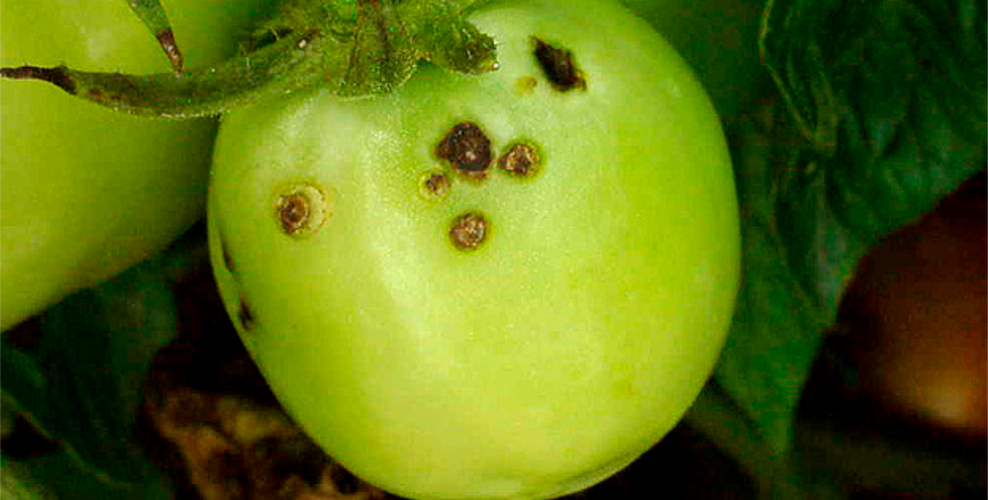
Plants, like animals, have evolved mechanisms for defense. The plant immune system is surprisingly similar to the human immune system. Plants detect bacterial pathogens using pattern recognition receptors (PRRs), which detect conserved molecular components on the bacterial cell surface (PAMPs — Pathogen Associated Molecular Patterns). This is analogous to the innate immune system of mammals. Bacteria, in turn, have evolved effector proteins to suppress PRR-mediated immunity. Plants have in turn evolved resistance (R) proteins to detect these effectors and re-activate immunity. This evolutionary arms race is described as a “zigzag model” of plant immunity.
When bacteria are detected, plants can trigger a hypersensitive response (HR) — a form of programmed cell death at the infection site that limits the spread of the pathogen. This can be accompanied by the induction of Systemic Acquired Resistance (SAR), which primes the whole plant for enhanced resistance to a broad spectrum of pathogens. Interestingly, harmless bacteria living inside plants can inhibit pathogen multiplication and increase or decrease the extent of a disease. Modern tools of molecular biology, including mutagenesis, DNA sequencing, and gene cloning, have allowed scientists to identify and characterize plant resistance genes, some of which are now being used to breed disease-resistant crops.
The molecular tools used in plant pathology research have advanced greatly over the past few decades. Techniques such as molecular mutagenesis, DNA sequencing, molecular identification, and metagenomics are now standard tools. The emerging field of metagenomics has revealed that plants harbor complex communities of microorganisms, both inside and outside their tissues. These communities, collectively known as the plant microbiome, play important roles in plant health and disease. Understanding the plant microbiome and its interactions with plant pathogens is a major focus of current research in plant pathology.
Keener, A. 2016. An Immune System Surprise. The Scientist.
Scripps Research. Plants and animals share immune response system, study shows.
Spoel, S.H. and Dong, X. 2012. How do plants achieve immunity? Defence without specialized immune cells. Nature Reviews Immunology 12: 89-100.
Duxbury, Z. et al. 2016. Pathogen perception by NLRs in plants and animals: parallel worlds. BioEssays 38: 769-781.
Jones, J.D.G. and Dangl, J.L. 2006. The plant immune system. Nature 444: 323-329.
Mansfield, J. et al. 2012. Top 10 plant pathogenic bacteria in molecular plant pathology. Molecular Plant Pathology 13: 614-629.
Maino, J.L., Schroth, M.N. and Vitanza, J.E. 1974. Inhibition of bean (Phaseolus vulgaris) halo blight by internal bacteria. Phytopathology 64: 814-818.