

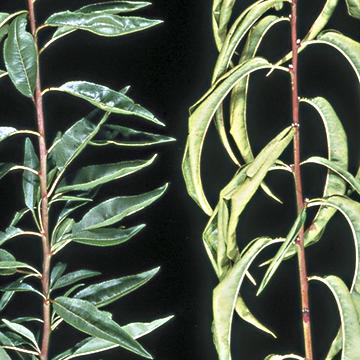
DISEASE: European stone fruit yellows
HOST: Almond
The disease causes yellowing and rolling of leaves (right). Leaves become thick and rough in texture. Healthy leaves (left).
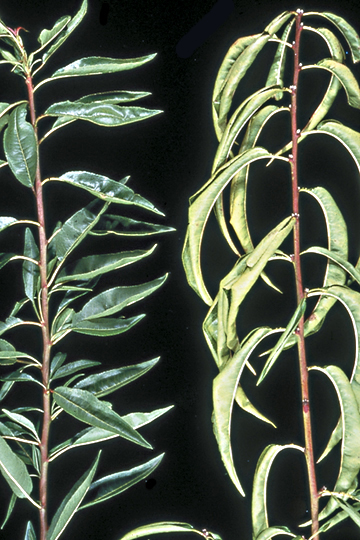
European stone fruit yellows | Almond
DISEASE: European stone fruit yellows
HOST: Almond (Prunus dulcis)
PATHOGEN: 'Candidatus Phytoplasma prunorum'
PATHOGEN SYNONYM: Phytoplasma Apple proliferation group
SOURCE: E. Seemueller
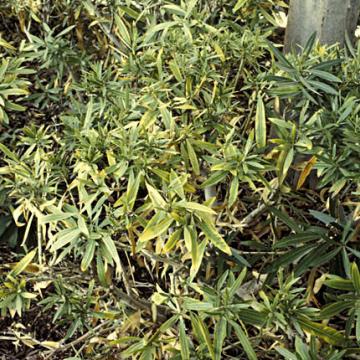
DISEASE: Oleander leaf scorch
HOST: Oleander
Diseased plant with scalloped, yellowish leaves. This usually is followed by dieback of twigs and branches. Plants often die 2 years after infection.
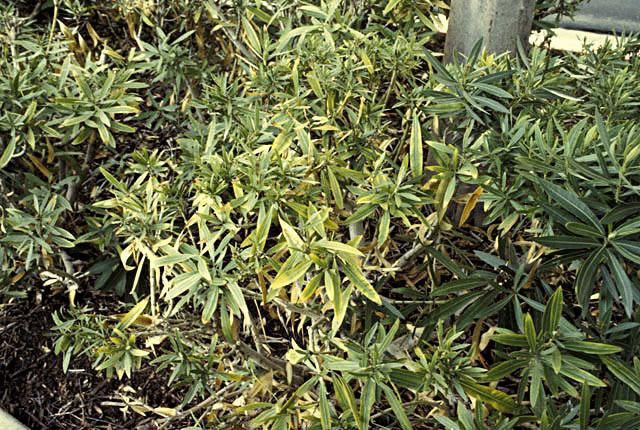
Oleander leaf scorch | Oleander
DISEASE: Oleander leaf scorch
HOST: Oleander (Nerium oleander)
PATHOGEN: Xylella fastidiosa
SOURCE: S. Purcell
DISEASE: Oleander leaf scorch
HOST: Oleander
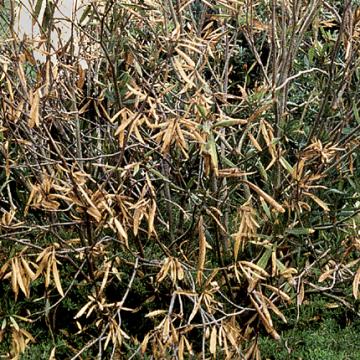
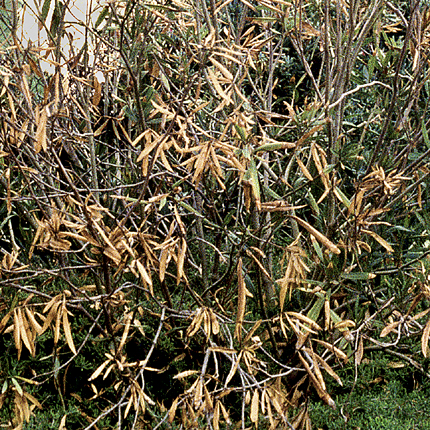
Oleander with symptoms of severe scorch.
Oleander leaf scorch | Oleander
DISEASE: Oleander leaf scorch
HOST: Oleander (Nerium oleander)
PATHOGEN: Xylella fastidiosa
SOURCE: M. Blua
DISEASE: Oleander leaf scorch
HOST: Oleander
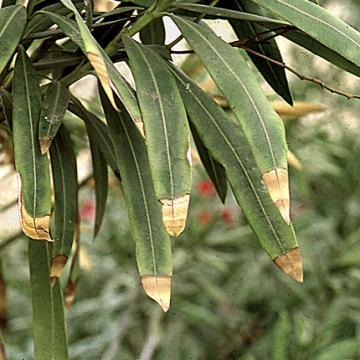
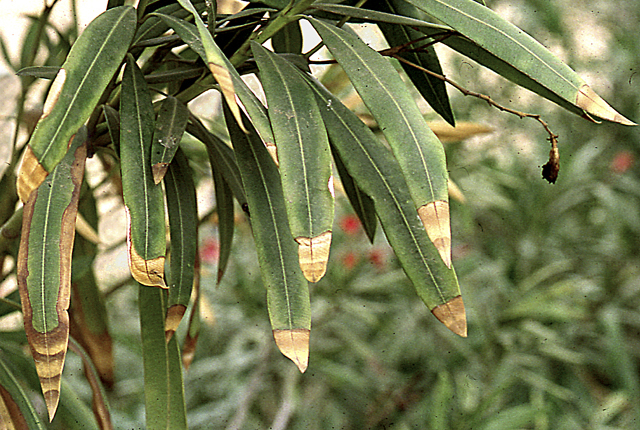
Oleander with scorch symptoms primarily at leaf tips, an early stage of disease.
Oleander leaf scorch | Oleander
DISEASE: Oleander leaf scorch
HOST: Oleander (Nerium oleander)
PATHOGEN: Xylella fastidiosa
SOURCE: M. Blua
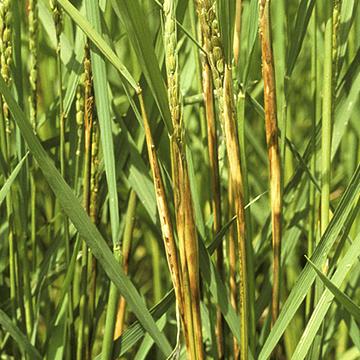
DISEASE: Sheath brown rot
HOST: Rice
Disease symptoms typically occur on flag leaf sheaths from booting to heading stage and also on panicles. Water-soaked lesions on glumes turn light brown.
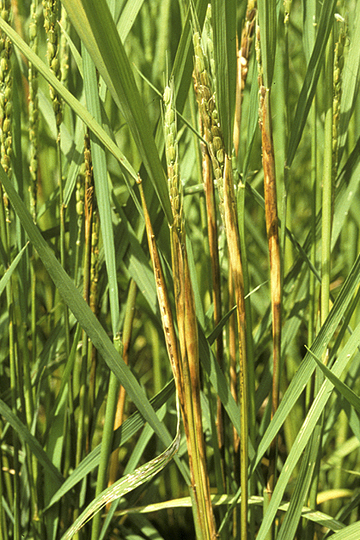
Sheath brown rot | Rice
DISEASE: Sheath brown rot
HOST: Rice (Oryza sativa)
PATHOGEN: Burkholderia fuscovaginae
PATHOGEN SYNONYM: Pseudomonas fuscovaginae
SOURCE: K. Miyajima, M. Goto
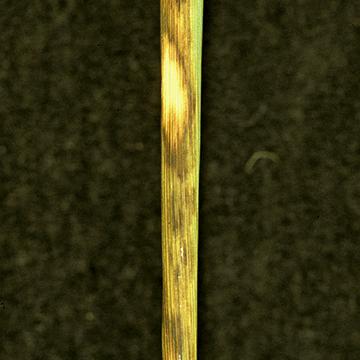
DISEASE: Sheath brown rot
HOST: Rice
Close-up of stem lesions.
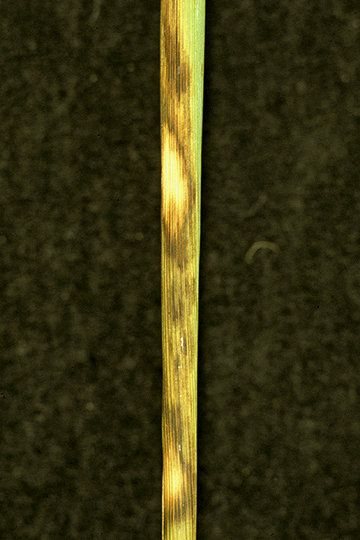
Sheath brown rot | Rice
DISEASE: Sheath brown rot
HOST: Rice (Oryza sativa)
PATHOGEN: Burkholderia fuscovaginae
PATHOGEN SYNONYM: Pseudomonas fuscovaginae
SOURCE: K. Miyajima, M. Goto
DISEASE: Sheath brown rot
HOST: Rice
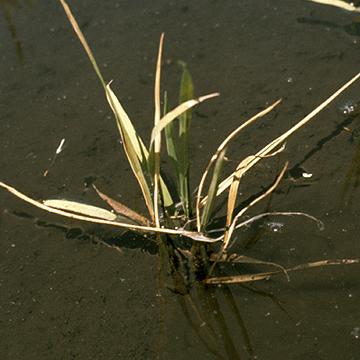
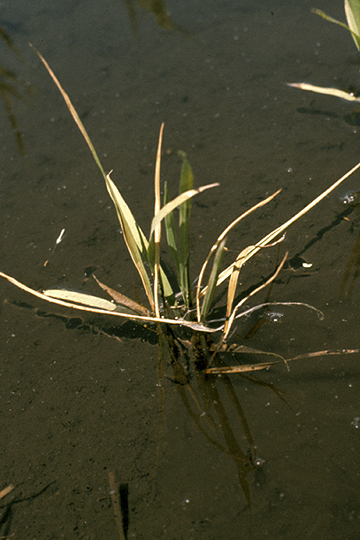
Seedling with rot symptoms.
Sheath brown rot | Rice
DISEASE: Sheath brown rot
HOST: Rice (Oryza sativa)
PATHOGEN: Burkholderia fuscovaginae
PATHOGEN SYNONYM: Pseudomonas fuscovaginae
SOURCE: K. Miyajima, M. Goto
DISEASE: Sheath brown rot
HOST: Rice
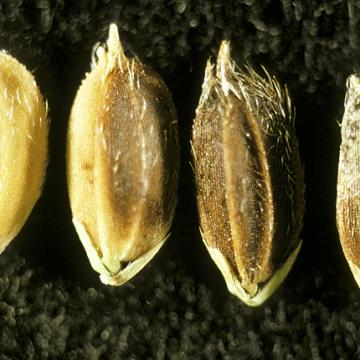
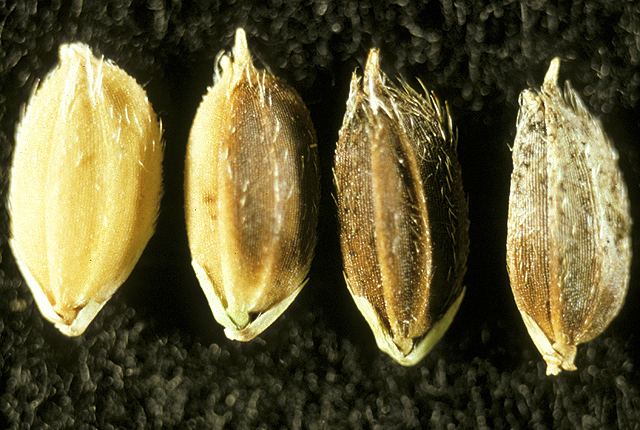
Diseased, unhulled grains with brown discoloration. Healthy grain (left).
Sheath brown rot | Rice
DISEASE: Sheath brown rot
HOST: Rice (Oryza sativa)
PATHOGEN: Burkholderia fuscovaginae
PATHOGEN SYNONYM: Pseudomonas fuscovaginae
SOURCE: K. Miyajima, M. Goto