

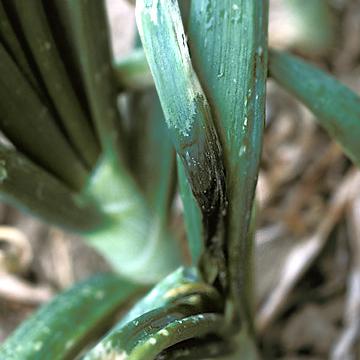
DISEASE: Bacterial flower stalk and leaf necrosis
HOST: Onion
Dark, rotted areas of stalk and leaves caused by systemic invasion of the pathogen.
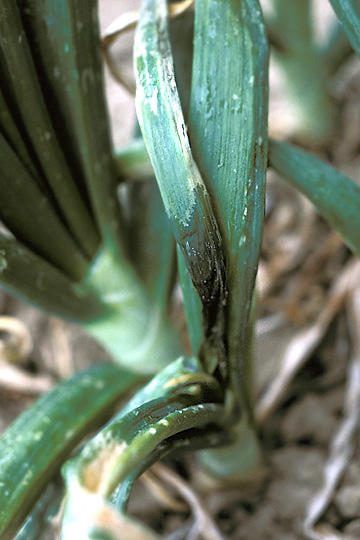
Bacterial flower stalk and leaf necrosis | Onion
DISEASE: Bacterial flower stalk and leaf necrosis
HOST: Onion (Allium cepa)
PATHOGEN: Pseudomonas marginalis pv. marginalis
SOURCE: S. Mohan
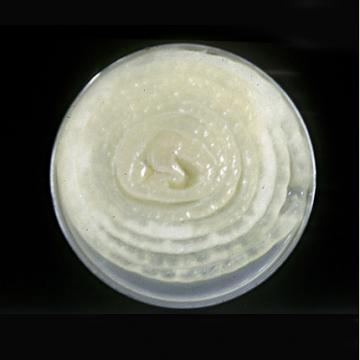
DISEASE: Bacterial flower stalk and leaf necrosis
HOST: Onion
Gray-brown rot of onion after inoculation. Disease starts as small, water-soaked lesions that later develop into slimy, gray-brown rot. The disease progresses downward from the stalk and may rot the entire bulb.
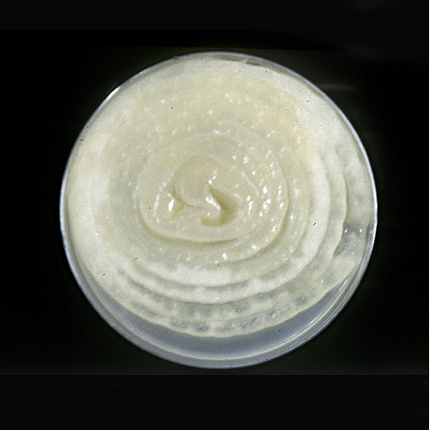
Bacterial flower stalk and leaf necrosis | Onion
DISEASE: Bacterial flower stalk and leaf necrosis
HOST: Onion (Allium cepa)
PATHOGEN: Pseudomonas marginalis pv. marginalis
SOURCE: R. Gitaitis
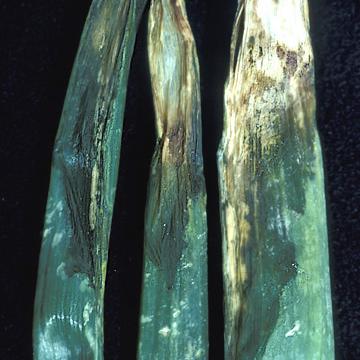
DISEASE: Bacterial flower stalk and leaf necrosis
HOST: Onion
Leaves with necrosis and rot. The common name for this disease is the same as those used for two other diseases. Also, another common name for this disease is bacterial soft rot.
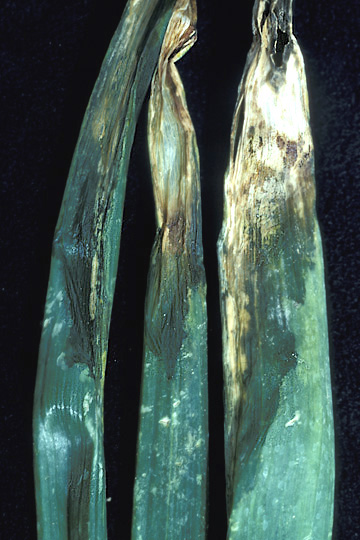
Bacterial flower stalk and leaf necrosis | Onion
DISEASE: Bacterial flower stalk and leaf necrosis
HOST: Onion (Allium cepa)
PATHOGEN: Pseudomonas marginalis pv. marginalis
SOURCE: S. Mohan
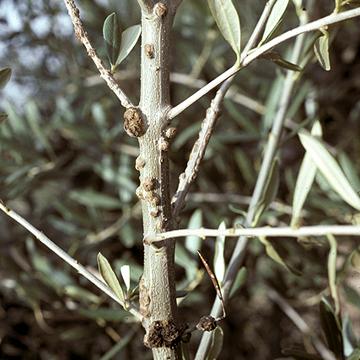
DISEASE: Olive knot
HOST: Olive
Multiple infections of young stems. The bacterium invades vascular tissues during certain times of the year and may be isolated from branches that appear healthy.
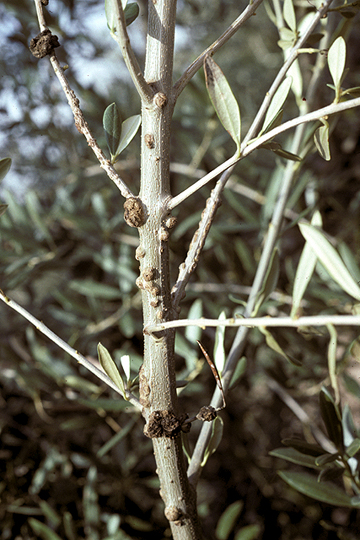
Olive knot | Olive
DISEASE: Olive knot
HOST: Olive (Olea europaea)
PATHOGEN: Pseudomonas savastanoi pv. savastanoi
SOURCE: M. Schroth
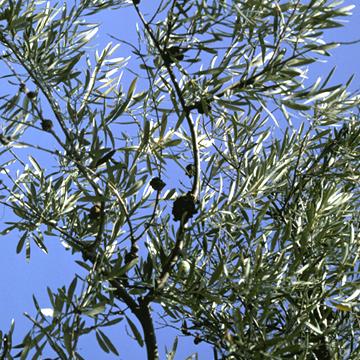
DISEASE: Olive knot
HOST: Olive
Tree with knots/galls on branches along with twig dieback, which is associated with knots. Fusarium and Diplodia spp. infect through knots and are thought to be main reason for dieback.
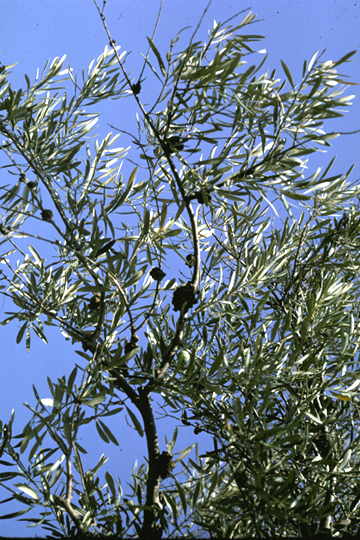
Olive knot | Olive
DISEASE: Olive knot
HOST: Olive (Olea europaea)
PATHOGEN: Pseudomonas savastanoi pv. savastanoi
SOURCE: M. Schroth
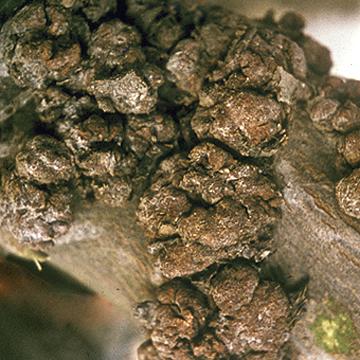
DISEASE: Olive knot
HOST: Olive
Multiple infections on olive branch. Knots at this stage begin to die from the outside in and are infected by several fungi.
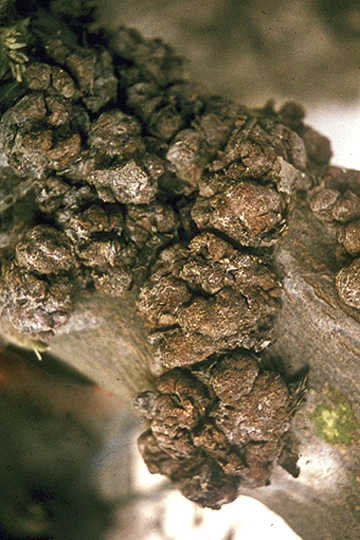
Olive knot | Olive
DISEASE: Olive knot
HOST: Olive (Olea europaea)
PATHOGEN: Pseudomonas savastanoi pv. savastanoi
SOURCE: M. Schroth
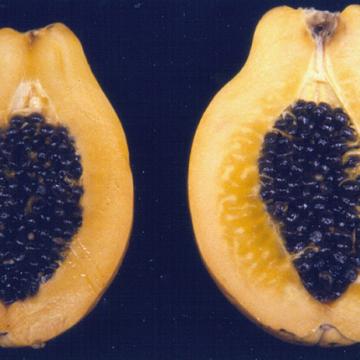
DISEASE: Purple stain
HOST: Papaya
Purple pigmentation of internal tissues near peduncle end of fruits. Pigmentation and yellow translucence of papaya flesh are more evident of fruit on right.
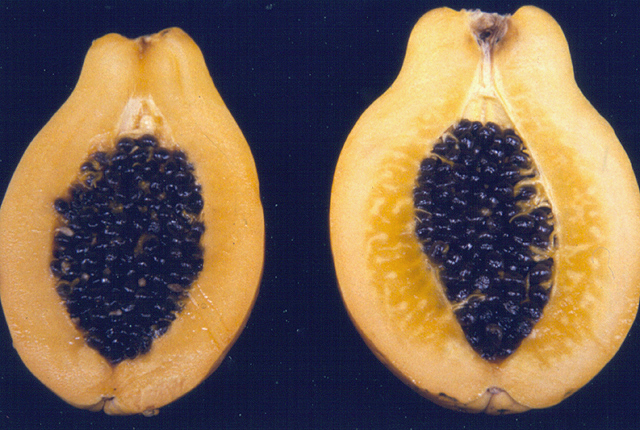
Purple stain | Papaya
DISEASE: Purple stain
HOST: Papaya (Carica papaya)
PATHOGEN: Pantoea agglomerans
PATHOGEN SYNONYM: Erwinia herbicola
SOURCE: M. Nelson
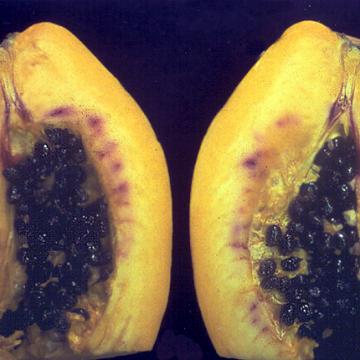
DISEASE: Purple stain
HOST: Papaya
Purple pigmentation of internal tissues.
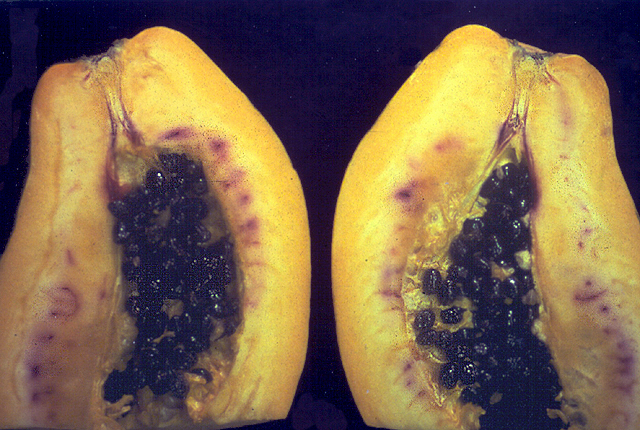
Purple stain | Papaya
DISEASE: Purple stain
HOST: Papaya (Carica papaya)
PATHOGEN: Pantoea agglomerans
PATHOGEN SYNONYM: Erwinia herbicola
SOURCE: M. Nelson
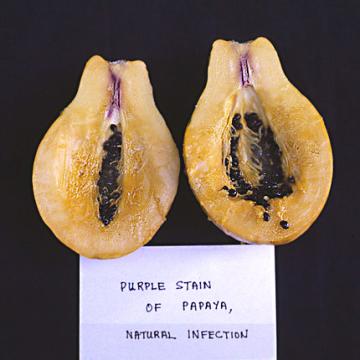
DISEASE: Purple stain
HOST: Papaya
Another view of purple discoloration at peduncle end. Bacteria are found in vascular tissues and latex ducts.
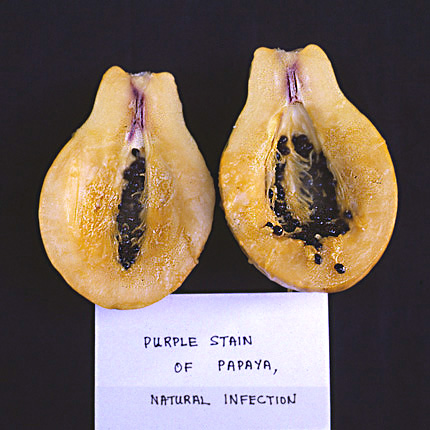
Purple stain | Papaya
DISEASE: Purple stain
HOST: Papaya (Carica papaya)
PATHOGEN: Pantoea agglomerans
PATHOGEN SYNONYM: Erwinia herbicola
SOURCE: K. Nishijima