

background


Header Menu

  • VIEW NARRATIVES
Home

World Encyclopedia of Plant Bacterial Diseases

FILTER BY

clear all
clear done

FILTERS

  • Alfalfa
  • Almond
  • Aloe
  • Amaranth
  • Anthurium
  • Apple
  • Apricot
  • Armeria
  • Ash
  • Aspen
  • (-) Aster
  • Avocado
  • Banana
  • Barley
  • Bean
  • Beet
  • Begonia
  • Bindweed
  • Bird-of-Paradise
  • Blackberry
  • Bougainvillea
  • Broccoli
  • Butternut
  • Cabbage
  • Cactus
  • Campanula
  • Candytuft
  • Canna
  • Cantaloupe
  • Carnation
  • Carrot
  • Cassava
  • Casuarina
  • Cauliflower
  • Celery
  • Chard
  • Cherry
  • Cherry laurel
  • China fir
  • Chokecherry
  • Chrysanthemum
  • Cilantro
  • Citron melon
  • Citrus (Grapefruit)
  • Citrus (Lemon)
  • Citrus (Lime)
  • Citrus (Mandarin orange)
  • Citrus (Orange)
  • Citrus (sp. unknown)
  • Clove
  • Clover
  • Coffee
  • Collard
  • Coreopsis
  • Coriander
  • Corn (Maize)
  • Cotton
  • Cowpea
  • Crabapple
  • Croton
  • Crown-of-thorns
  • Cucumber
  • Custard apple
  • Daffodil
  • Dahlia
  • Daisy
  • Datura
  • Dieffenbachia
  • Dogwood
  • Dracaena
  • Eggplant
  • Elderberry
  • Elm
  • Euonymus
  • Fennel
  • Fern
  • Ficus
  • Florida hopbush
  • Forsythia
  • Gayfeather
  • Gentian
  • Geranium
  • Ginger
  • Ginkgo
  • Gladiolus
  • Grape
  • Grass
  • Gypsophila (Baby's breath)
  • Hawaiian ticktrefoil
  • Hawthorn
  • Hazelnut
  • Heliconia
  • Heron's bill (Stork's bill)
  • Hibiscus
  • Hickory
  • Horseradish
  • Hyacinth
  • Hydrangea (Oak-leaf)
  • Iris
  • Ivy
  • Kalanchoe
  • Kiwi
  • Koa
  • Konjac (Devil's tongue)
  • Kudzu
  • Larkspur
  • Laurel (California laurel)
  • Lavender
  • Lettuce
  • Lilac
  • Lily
  • Loquat
  • Magnolia
  • Mallotus
  • Mango
  • Maple
  • Marigold
  • Millet
  • Mulberry
  • Mume (Japanese apricot)
  • Mushroom
  • Muskmelon
  • Mustard
  • (-) Nectarine
  • Nephthytis
  • Oak
  • Oat
  • Oleander
  • Olive
  • Onion
  • Orchid
  • Ornithogalum
  • Palm
  • Panax
  • Papaya
  • Parsley
  • Parsnip
  • Paulownia (Empress tree)
  • Pea
  • Peach
  • Peanut
  • Pear
  • Pecan
  • Pellionia
  • Pepper
  • Periwinkle
  • Persimmon
  • Petunia
  • Photinia
  • Pigeon pea
  • Pineapple
  • Plum
  • Pluot
  • Poinsettia
  • Poppy
  • Potato
  • Pothos
  • Primrose
  • Pumpkin
  • Radish
  • Ranunculus
  • Raspberry
  • Rhododendron
  • Rice
  • Rose
  • Rutabaga
  • Scarlet firethorn
  • Schefflera
  • Sedum
  • Sesame
  • Snapdragon
  • Sorghum
  • Soybean
  • Spathiphyllum
  • (-) Squash
  • Stock
  • Strawberry
  • Sugarcane
  • Sweetgum
  • Sweet potato
  • Sycamore
  • Tea
  • Ti
  • Tobacco
  • Tomato
  • Tulip
  • Turnip
  • Verbena
  • Viola (Horned violet)
  • Walnut
  • Wasabi (Japanese horseradish)
  • Watercress
  • Watermelon
  • Wheat
  • Wheatgrass
  • Willow
  • Wisteria (Japanese wisteria)
  • Yam bean
  • Zinnia
  • Aster sp.
  • Cucurbita maxima
  • Cucurbita sp.
  • Prunus persica 'Fantasia'
  • Prunus persica var. nucipersica
  • Prunus persica var. nucipersica 'Redgold'
  • Aster yellows
  • Bacterial dieback of nectarine
  • Bacterial spot
  • Bacterial wilt
  • 'Candidatus Phytoplasma asteris'
  • Erwinia tracheiphila
  • Pseudomonas syringae pv. persicae
  • Xanthomonas arboricola pv. pruni
Done

RESULTS

(14)
FILTER

Pagination

  • Current page 1
  • Page 2
  • Next page Next ›
  • Last page Last »
DISEASE: Aster yellows
HOST: Aster
Foliar symptoms of chlorosis, malformation of leaves, and phyllody.
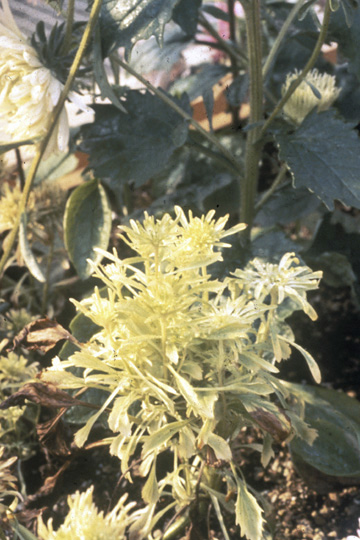
Aster yellows | Aster
DISEASE: Aster yellows
HOST: Aster (Aster sp.)
PATHOGEN: 'Candidatus Phytoplasma asteris'
PATHOGEN SYNONYM: Phytoplasma Aster yellows group
SOURCE: R. McCoy, M. Davis
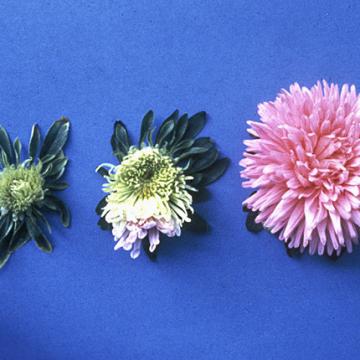
DISEASE: Aster yellows
HOST: Aster
Flowers with phyllody (left and center). Healthy flower (right).
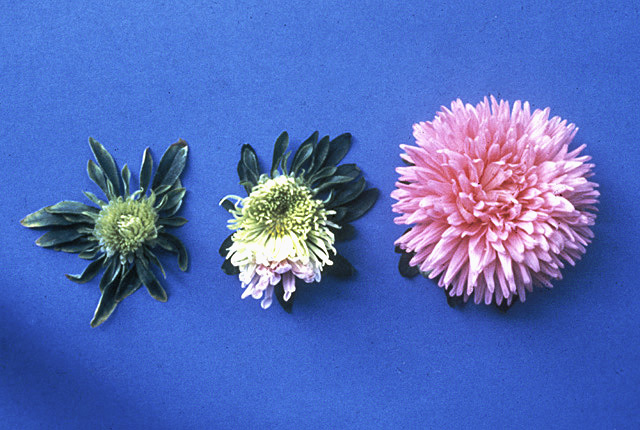
Aster yellows | Aster
DISEASE: Aster yellows
HOST: Aster (Aster sp.)
PATHOGEN: 'Candidatus Phytoplasma asteris'
PATHOGEN SYNONYM: Phytoplasma Aster yellows group
SOURCE: R. McCoy, M. Davis
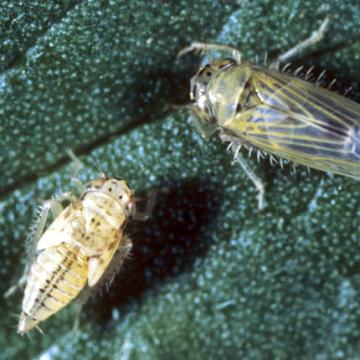
DISEASE: Aster yellows
HOST: Aster
Macrosteles sp., a leafhopper vector of aster yellows phytoplasma.
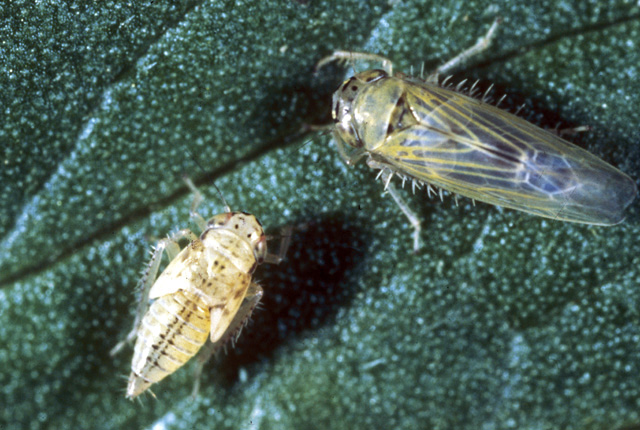
Aster yellows | Aster
DISEASE: Aster yellows
HOST: Aster (Aster sp.)
PATHOGEN: 'Candidatus Phytoplasma asteris'
PATHOGEN SYNONYM: Phytoplasma Aster yellows group
SOURCE: J. Clark, A. Purcell, M. Davis
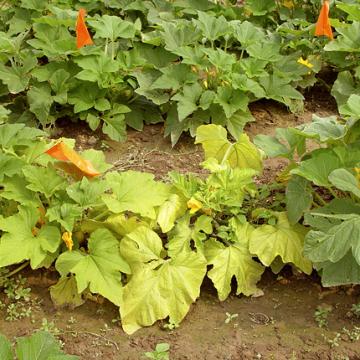
DISEASE: Aster yellows
HOST: Squash
Diagnostic characteristics for the disease are yellowing of young leaves, proliferation of secondary shoots, and rigid erect habit. Leaves are misshapen and smaller than normal and have stiff, thick laminae.
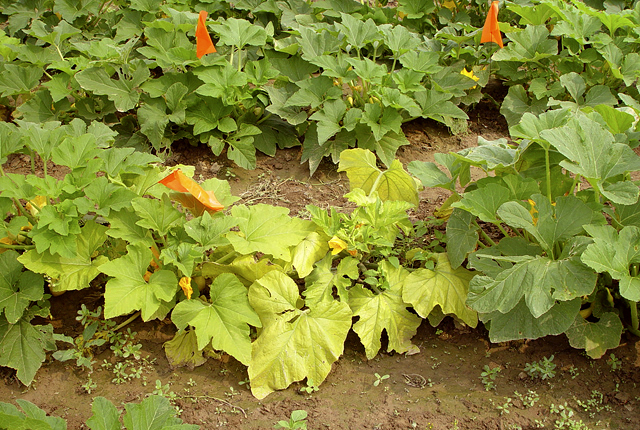
Aster yellows | Squash
DISEASE: Aster yellows
HOST: Squash (Cucurbita sp.)
PATHOGEN: 'Candidatus Phytoplasma asteris'
PATHOGEN SYNONYM: Phytoplasma Aster yellows group
SOURCE: S. Miller
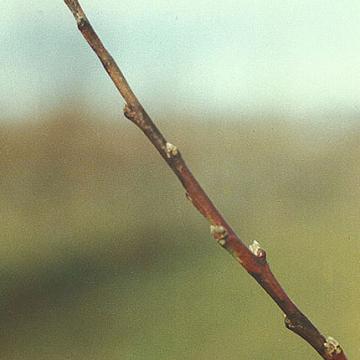
DISEASE: Bacterial dieback of nectarine
HOST: Nectarine
Dark cankers on last year's twig. Symptoms of bacterial dieback of nectarine are identical to those of bacterial dieback of peach.
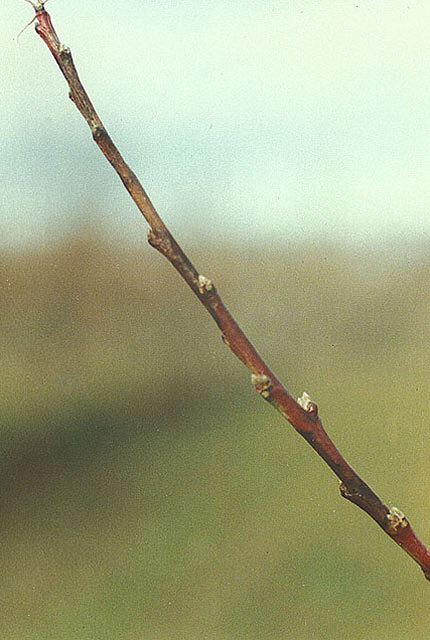
Bacterial dieback of nectarine | Nectarine
DISEASE: Bacterial dieback of nectarine
HOST: Nectarine (Prunus persica var. nucipersica)
PATHOGEN: Pseudomonas syringae pv. persicae
SOURCE: J. Young
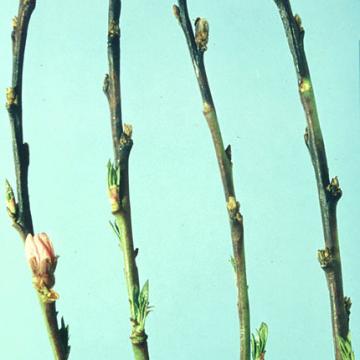
DISEASE: Bacterial dieback of nectarine
HOST: Nectarine
Diseased young twigs.
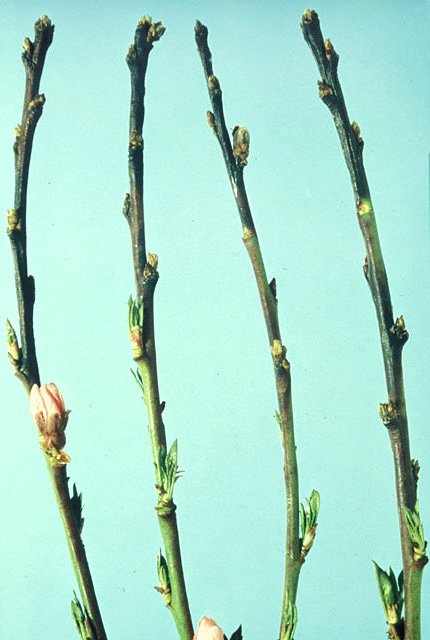
Bacterial dieback of nectarine | Nectarine
DISEASE: Bacterial dieback of nectarine
HOST: Nectarine (Prunus persica var. nucipersica)
PATHOGEN: Pseudomonas syringae pv. persicae
SOURCE: J. Young
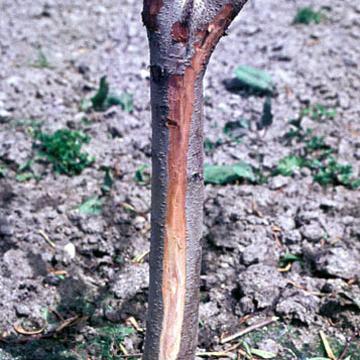
DISEASE: Bacterial dieback of nectarine
HOST: Nectarine
Bacterial invasion of trunk caused reddish brown discolored area. Symptoms of bacterial dieback of nectarine are identical to those of bacterial dieback of peach.
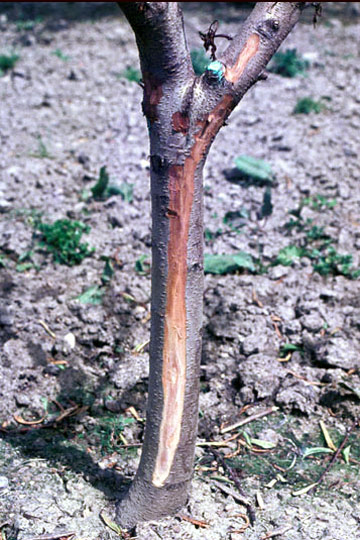
Bacterial dieback of nectarine | Nectarine
DISEASE: Bacterial dieback of nectarine
HOST: Nectarine (Prunus persica var. nucipersica)
PATHOGEN: Pseudomonas syringae pv. persicae
SOURCE: J. Young
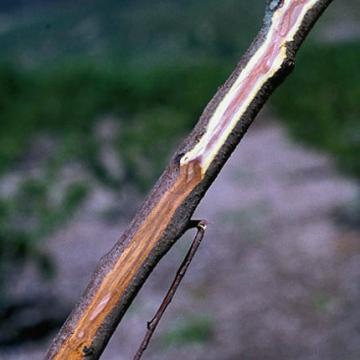
DISEASE: Bacterial dieback of nectarine
HOST: Nectarine
Discolored vascular tissues and gummosis on infected twig.
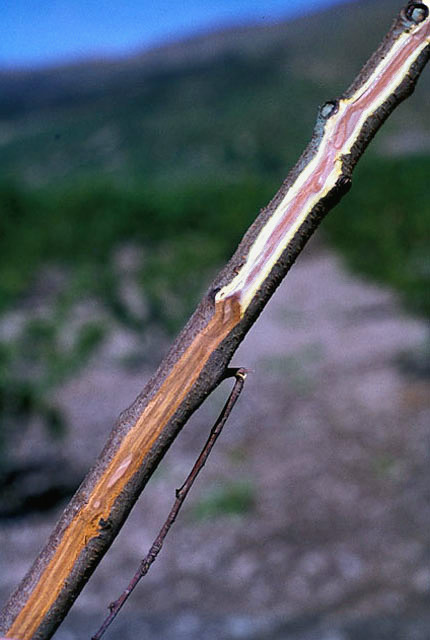
Bacterial dieback of nectarine | Nectarine
DISEASE: Bacterial dieback of nectarine
HOST: Nectarine (Prunus persica var. nucipersica)
PATHOGEN: Pseudomonas syringae pv. persicae
SOURCE: J. Young
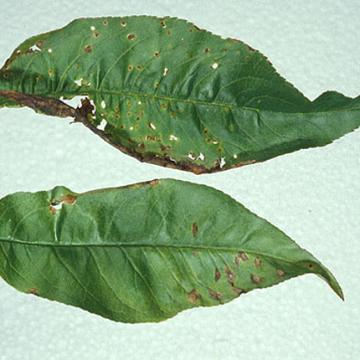
DISEASE: Bacterial dieback of nectarine
HOST: Nectarine
Symptoms of the disease include leaf spots (top leaf). Similar appearing leaf spots may be caused by Xanthomonas arboricola pv. pruni (bottom leaf).
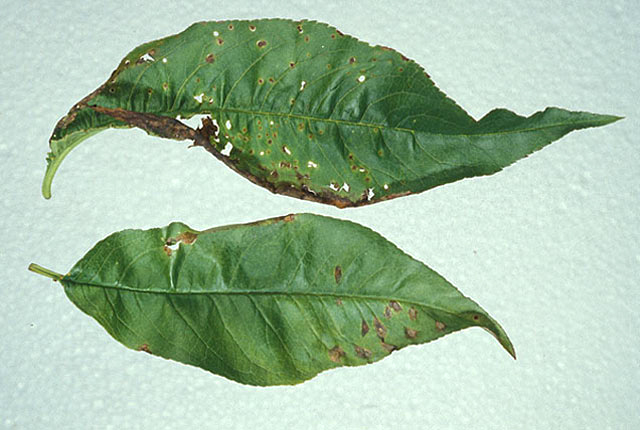
Bacterial dieback of nectarine | Nectarine
DISEASE: Bacterial dieback of nectarine
HOST: Nectarine (Prunus persica var. nucipersica)
PATHOGEN: Pseudomonas syringae pv. persicae
SOURCE: J. Young

Pagination

  • Current page 1
  • Page 2
  • Next page Next ›
  • Last page Last »

Footer_Menu

  • CO-AUTHORS
  • PURPOSE
  • ACKNOWLEDGEMENTS
  • NARRATIVES
  • CONTACT
  • PRIVACY POLICY

© 2019 PlantDiseases.org. All Rights Reserved.