

background


Header Menu

  • VIEW NARRATIVES
Home

World Encyclopedia of Plant Bacterial Diseases

FILTER BY

clear all
clear done

FILTERS

  • Alfalfa
  • Almond
  • Aloe
  • Amaranth
  • Anthurium
  • Apple
  • Apricot
  • Armeria
  • Ash
  • Aspen
  • Aster
  • Avocado
  • Banana
  • Barley
  • Bean
  • Beet
  • Begonia
  • Bindweed
  • Bird-of-Paradise
  • Blackberry
  • Bougainvillea
  • Broccoli
  • Butternut
  • Cabbage
  • Cactus
  • Campanula
  • Candytuft
  • Canna
  • Cantaloupe
  • Carnation
  • Carrot
  • Cassava
  • Casuarina
  • Cauliflower
  • Celery
  • Chard
  • Cherry
  • Cherry laurel
  • China fir
  • Chokecherry
  • Chrysanthemum
  • Cilantro
  • Citron melon
  • Citrus (Grapefruit)
  • Citrus (Lemon)
  • Citrus (Lime)
  • Citrus (Mandarin orange)
  • Citrus (Orange)
  • Citrus (sp. unknown)
  • Clove
  • Clover
  • Coffee
  • Collard
  • Coreopsis
  • Coriander
  • Corn (Maize)
  • Cotton
  • Cowpea
  • Crabapple
  • Croton
  • Crown-of-thorns
  • Cucumber
  • Custard apple
  • Daffodil
  • Dahlia
  • Daisy
  • Datura
  • Dieffenbachia
  • Dogwood
  • Dracaena
  • Eggplant
  • Elderberry
  • Elm
  • Euonymus
  • Fennel
  • Fern
  • Ficus
  • Florida hopbush
  • Forsythia
  • Gayfeather
  • Gentian
  • Geranium
  • Ginger
  • Ginkgo
  • Gladiolus
  • Grape
  • Grass
  • Gypsophila (Baby's breath)
  • Hawaiian ticktrefoil
  • Hawthorn
  • Hazelnut
  • Heliconia
  • Heron's bill (Stork's bill)
  • Hibiscus
  • Hickory
  • Horseradish
  • Hyacinth
  • Hydrangea (Oak-leaf)
  • Iris
  • Ivy
  • Kalanchoe
  • Kiwi
  • Koa
  • Konjac (Devil's tongue)
  • Kudzu
  • Larkspur
  • Laurel (California laurel)
  • Lavender
  • Lettuce
  • Lilac
  • Lily
  • Loquat
  • Magnolia
  • Mallotus
  • Mango
  • Maple
  • Marigold
  • Millet
  • Mulberry
  • Mume (Japanese apricot)
  • Mushroom
  • Muskmelon
  • Mustard
  • Nectarine
  • Nephthytis
  • Oak
  • Oat
  • Oleander
  • Olive
  • (-) Onion
  • Orchid
  • Ornithogalum
  • Palm
  • Panax
  • Papaya
  • Parsley
  • Parsnip
  • Paulownia (Empress tree)
  • Pea
  • Peach
  • Peanut
  • Pear
  • Pecan
  • Pellionia
  • Pepper
  • Periwinkle
  • Persimmon
  • Petunia
  • Photinia
  • Pigeon pea
  • Pineapple
  • Plum
  • Pluot
  • Poinsettia
  • Poppy
  • Potato
  • Pothos
  • Primrose
  • Pumpkin
  • Radish
  • Ranunculus
  • Raspberry
  • Rhododendron
  • Rice
  • Rose
  • Rutabaga
  • Scarlet firethorn
  • Schefflera
  • Sedum
  • Sesame
  • Snapdragon
  • Sorghum
  • Soybean
  • Spathiphyllum
  • Squash
  • Stock
  • Strawberry
  • Sugarcane
  • Sweetgum
  • Sweet potato
  • Sycamore
  • Tea
  • Ti
  • Tobacco
  • (-) Tomato
  • Tulip
  • Turnip
  • Verbena
  • Viola (Horned violet)
  • Walnut
  • Wasabi (Japanese horseradish)
  • Watercress
  • Watermelon
  • Wheat
  • Wheatgrass
  • Willow
  • Wisteria (Japanese wisteria)
  • Yam bean
  • Zinnia
  • Allium cepa
  • Lycopersicon esculentum
  • Aster yellows
  • Bacterial canker
  • Bacterial flower stalk and leaf necrosis
  • Bacterial fruit rot
  • Bacterial leaf streak and bulb rot
  • Bacterial soft rot
  • Bacterial speck
  • Bacterial spot
  • Bacterial stem rot
  • Bacterial wilt
  • Center rot
  • Enterobacter bulb decay
  • Pith necrosis
  • Slippery skin
  • Sour skin
  • Syringae leaf spot
  • Tomato big bud
  • Xanthomonas leaf blight
  • Burkholderia cepacia
  • Burkholderia gladioli pv. alliicola
  • 'Candidatus Phytoplasma asteris'
  • Clavibacter michiganensis subsp. michiganensis
  • Enterobacter cloacae
  • Pantoea ananatis
  • Pectobacterium atrosepticum
  • Pectobacterium carotovorum
  • Pseudomonas corrugata
  • Pseudomonas marginalis pv. marginalis
  • Pseudomonas syringae pv. syringae
  • Pseudomonas syringae pv. tomato
  • Pseudomonas viridiflava
  • Ralstonia solanacearum
  • Xanthomonas axonopodis pv. allii
  • Xanthomonas bacterial spot pathogens
Done

RESULTS

(63)
FILTER

Pagination

  • First page « First
  • Previous page ‹ Prev
  • Page 3
  • Page 4
  • Page 5
  • Current page 6
  • Page 7
  • Next page Next ›
  • Last page Last »
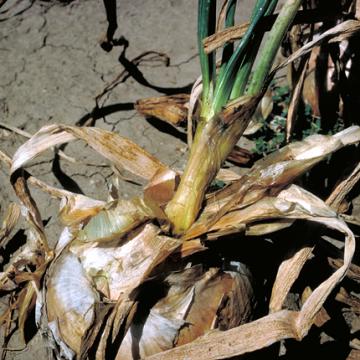
DISEASE: Center rot
HOST: Onion
Advanced stage of center rot. The bacterium has moved down from leaves into the bulb.
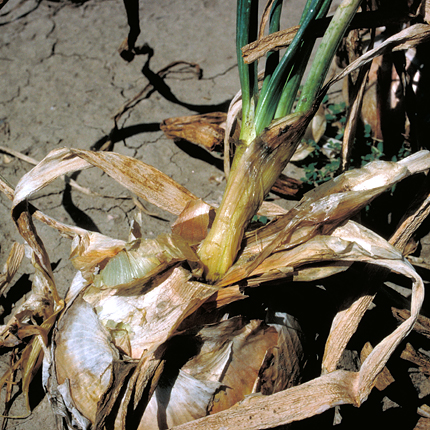
Center rot | Onion
DISEASE: Center rot
HOST: Onion (Allium cepa)
PATHOGEN: Pantoea ananatis
SOURCE: H. Schwartz
DISEASE: Center rot
HOST: Onion
Bulb with pale yellow, discolored decayed area.
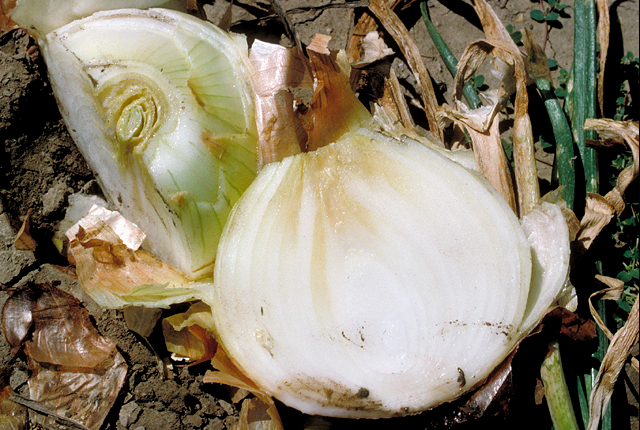
Center rot | Onion
DISEASE: Center rot
HOST: Onion (Allium cepa)
PATHOGEN: Pantoea ananatis
SOURCE: H. Schwartz
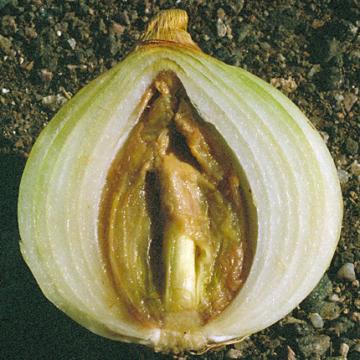
DISEASE: Enterobacter bulb decay
HOST: Onion
Onion bulb with extensive soft, brown rot.
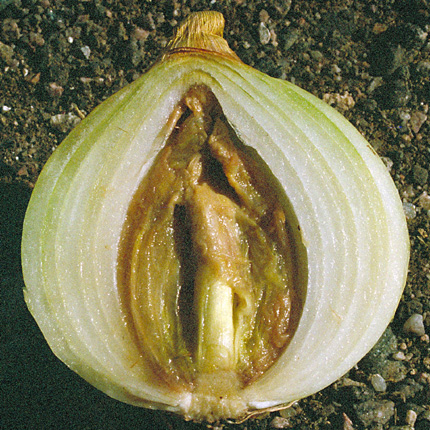
Enterobacter bulb decay | Onion
DISEASE: Enterobacter bulb decay
HOST: Onion (Allium cepa)
PATHOGEN: Enterobacter cloacae
SOURCE: H. Schwartz
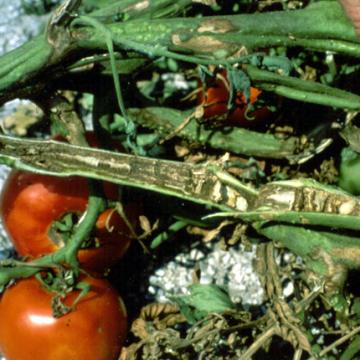
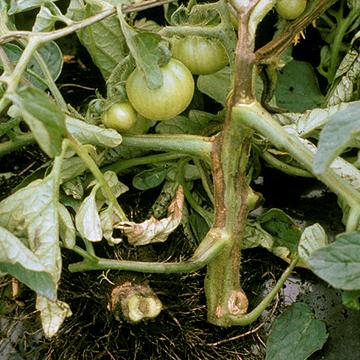
DISEASE: Pith necrosis
HOST: Tomato
Cracked, dry, hollow stems with internal necrosis.
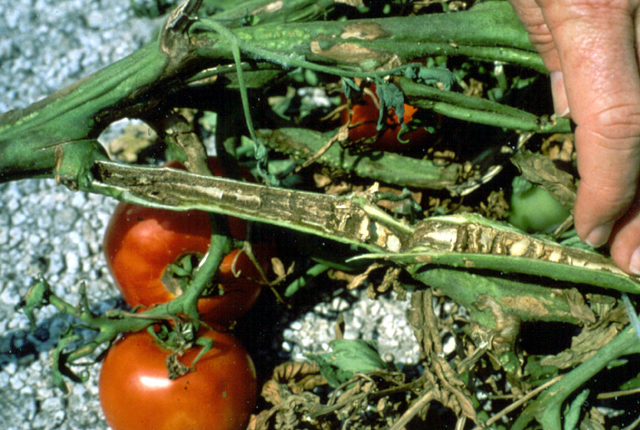
Pith necrosis | Tomato
DISEASE: Pith necrosis
HOST: Tomato (Lycopersicon esculentum)
PATHOGEN: Pseudomonas corrugata
SOURCE: A. Alvarez
DISEASE: Pith necrosis
HOST: Tomato
External necrotic stem tissues. Initial symptoms include chlorosis of young leaves. Wilting may occur when disease is severe.
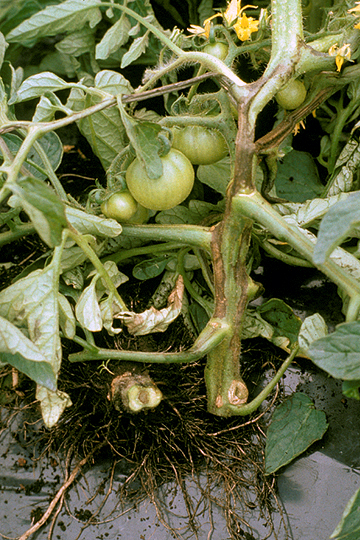
Pith necrosis | Tomato
DISEASE: Pith necrosis
HOST: Tomato (Lycopersicon esculentum)
PATHOGEN: Pseudomonas corrugata
SOURCE: K. Natsuaki, M. Goto
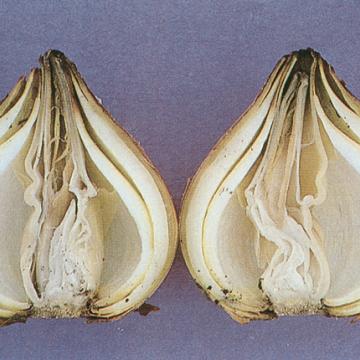
DISEASE: Slippery skin
HOST: Onion
Rot progresses from the top of infected scales and eventually internal tissues rot. In early stages, the only external symptoms may be softening of the neck.
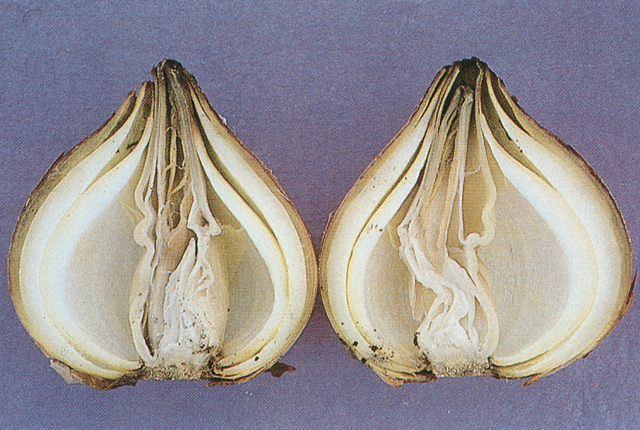
Slippery skin | Onion
DISEASE: Slippery skin
HOST: Onion (Allium cepa)
PATHOGEN: Burkholderia gladioli pv. alliicola
PATHOGEN SYNONYM: Pseudomonas gladioli pv. alliicola
SOURCE: H. Schwartz
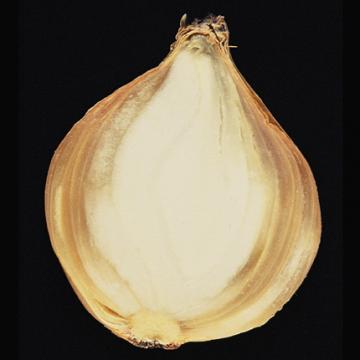
DISEASE: Sour skin
HOST: Onion
Symptoms of sour skin are characterized by slimy, pale yellow to light brown decay.
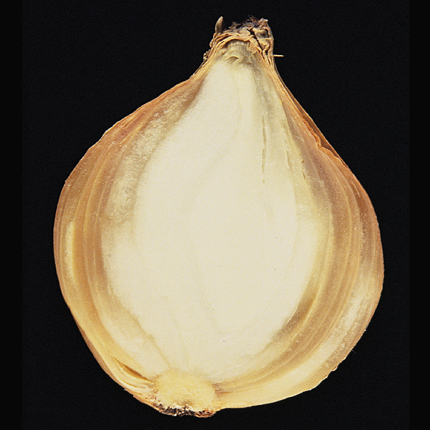
Sour skin | Onion
DISEASE: Sour skin
HOST: Onion (Allium cepa)
PATHOGEN: Burkholderia cepacia
PATHOGEN SYNONYM: Pseudomonas cepacia
SOURCE: Dep. of Agric. & Agri-Food, Government of Canada
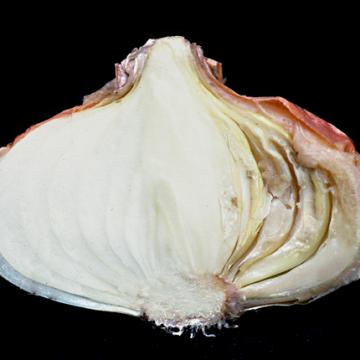
DISEASE: Sour skin
HOST: Onion
Characteristic pale yellow to browning of infected area.
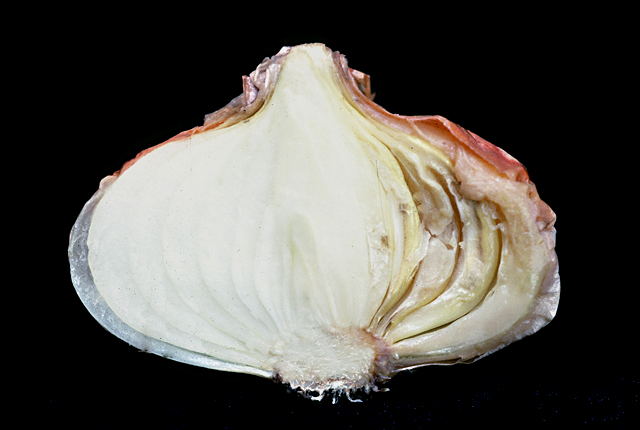
Sour skin | Onion
DISEASE: Sour skin
HOST: Onion (Allium cepa)
PATHOGEN: Burkholderia cepacia
PATHOGEN SYNONYM: Pseudomonas cepacia
SOURCE: R. Gitaitis
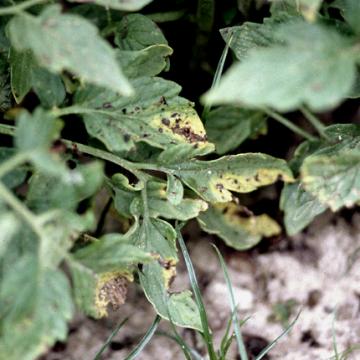
DISEASE: Syringae leaf spot
HOST: Tomato
Leaves with brown necrotic lesions and chlorotic margins. Symptoms vary greatly among cultivars. Some have black or brown lesions with bright yellow, chlorotic areas and others do not have yellowing.
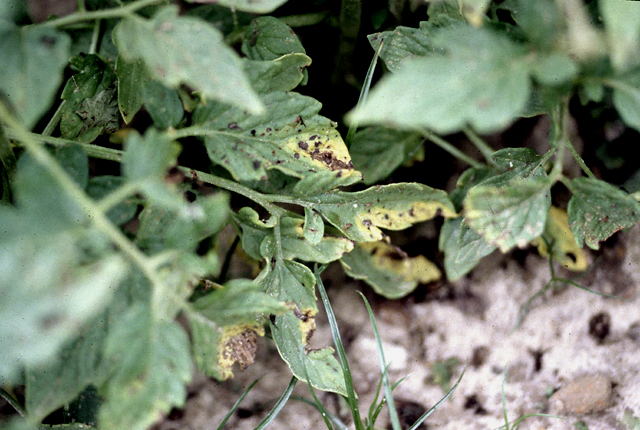
Syringae leaf spot | Tomato
DISEASE: Syringae leaf spot
HOST: Tomato (Lycopersicon esculentum)
PATHOGEN: Pseudomonas syringae pv. syringae
SOURCE: R. Gitaitis

Pagination

  • First page « First
  • Previous page ‹ Prev
  • Page 3
  • Page 4
  • Page 5
  • Current page 6
  • Page 7
  • Next page Next ›
  • Last page Last »

Footer_Menu

  • CO-AUTHORS
  • PURPOSE
  • ACKNOWLEDGEMENTS
  • NARRATIVES
  • CONTACT
  • PRIVACY POLICY

© 2019 PlantDiseases.org. All Rights Reserved.